Professional Carpet Cleaning vs DIY: What Saves More Long-Term Cost?
May 27, 2026
Professional carpet cleaning and DIY carpet maintenance are often compared when households and commercial spaces try to manage long-term cleaning costs. At first glance, DIY methods appear more affordable because they avoid service charges and rely on readily available cleaning solutions. However, carpet care involves more than surface cleaning. Dirt, allergens, stains, and embedded particles accumulate deep within fibers, gradually reducing carpet lifespan and indoor air quality. This makes the cost discussion more complex than it initially appears. Regular foot traffic also pushes debris deeper into the backing layer, where basic cleaning tools cannot reach. Over time, this hidden buildup affects both appearance and hygiene in ways that are not immediately visible.
The real question is not just about immediate savings but about long-term financial efficiency and material preservation. Poor cleaning techniques, incorrect chemical use, or inconsistent maintenance can lead to fiber damage, discoloration, and premature replacement costs. On the other hand, professional carpet cleaning uses advanced equipment and industry-grade methods designed to extend carpet durability while maintaining hygiene standards. Understanding the balance between upfront expenses and long-term value is essential for making informed decisions that protect both budgets and property investments over time. Proper maintenance planning also helps avoid emergency cleaning situations that often cost more than scheduled care. In many cases, structured cleaning cycles result in better carpet performance and fewer disruptions in daily use.
Understanding True Carpet Cleaning Costs
Surface Cost vs Lifecycle Cost
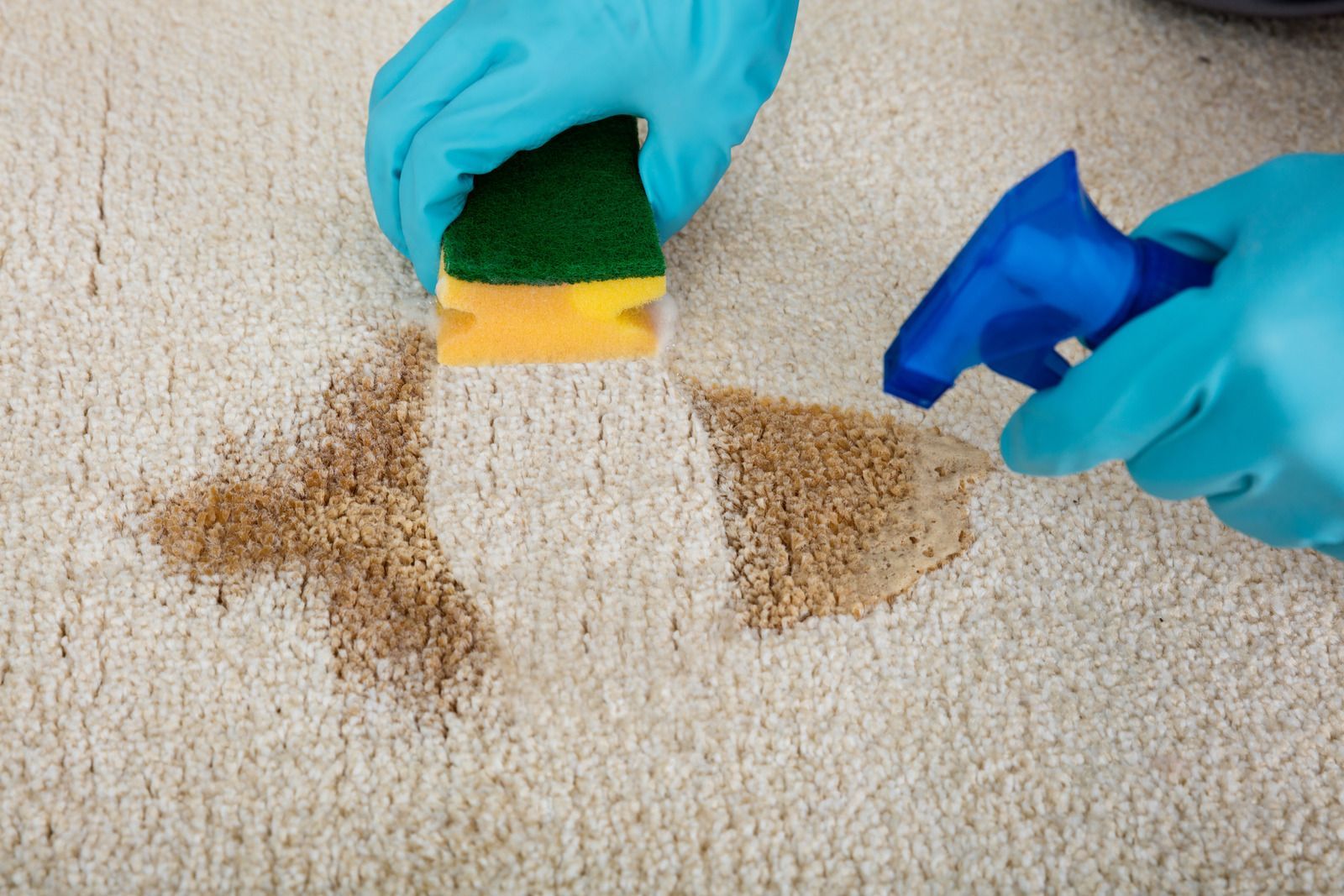
DIY carpet cleaning usually focuses on immediate affordability. Store-bought cleaners, rental machines, and home remedies appear budget-friendly. However, lifecycle cost includes carpet replacement frequency, stain permanence, and maintenance repetition. A low-cost approach today can lead to higher replacement expenses in a few years when fiber damage and embedded dirt reduce carpet lifespan significantly over time across multiple years.
Hidden Expenses in Routine DIY Care
Repeated purchases of cleaning agents, machine rentals, and water usage accumulate over time. These recurring costs are often overlooked, making DIY appear cheaper than it actually is. Additional expenses emerge from trial-and-error cleaning methods and repeated stain treatments that fail to deliver deep results, increasing overall maintenance spending across the carpet’s lifetime in homes over extended periods.
DIY Carpet Cleaning – Real Advantages and Limitations
Accessibility and Convenience
DIY cleaning allows immediate response to spills and stains. Homeowners can act without waiting for appointments, which is useful for minor surface-level issues. This convenience supports quick decision-making in urgent situations, especially in high-traffic areas where immediate attention prevents stains from settling deeper into carpet fibers and reduces visible damage across living spaces during daily household routines overall.
Equipment Limitations and Cleaning Depth
Most home machines lack the extraction power required for deep-set dirt removal. Residues often remain inside fibers, attracting more dirt over time and reducing carpet lifespan. Limited suction strength restricts moisture removal, increasing drying time and raising the likelihood of odor development and bacterial growth within carpet layers after repeated cleaning cycles in residential environments without a professional intervention process.
Risk of Fabric Damage
Incorrect detergent concentration or excessive water usage can lead to mold growth, fiber weakening, or discoloration. These issues often remain unnoticed until significant damage occurs, especially in thicker carpets. Over-saturation traps moisture deep within layers, creating long-term structural deterioration that reduces overall carpet strength and appearance in both residential and commercial settings, leading to costly replacements later on.
Hidden Long-Term Costs of DIY Carpet Cleaning
Premature Carpet Replacement
Improper cleaning techniques gradually degrade carpet fibers. Once wear becomes visible, replacement becomes the only option, increasing long-term expenditure significantly. Structural breakdown accelerates when dirt accumulates deep within padding layers, weakening overall support and reducing visual appeal, which forces earlier replacement decisions in both residential and commercial property environments over extended usage periods beyond the normal maintenance cycle range.
Time Investment and Productivity Loss
DIY cleaning requires preparation, execution, drying time, and repeated effort. For commercial environments, this translates into productivity loss and operational disruption. Staff involvement in cleaning tasks reduces focus on core responsibilities, increasing indirect costs that are often ignored when evaluating overall maintenance efficiency in busy workplaces with continuous operational demands throughout the day, affecting workflow and output levels.
Health and Air Quality Concerns
Trapped dust, allergens, and bacteria can remain inside carpets if not properly extracted. This affects indoor air quality and may lead to recurring health-related costs. Poor extraction methods allow contaminants to circulate in living spaces, increasing respiratory issues and discomfort for occupants, especially in environments with limited ventilation and high foot traffic throughout prolonged exposure periods.
Professional Carpet Cleaning – Value Beyond Surface Cleaning
Advanced Deep Cleaning Technology
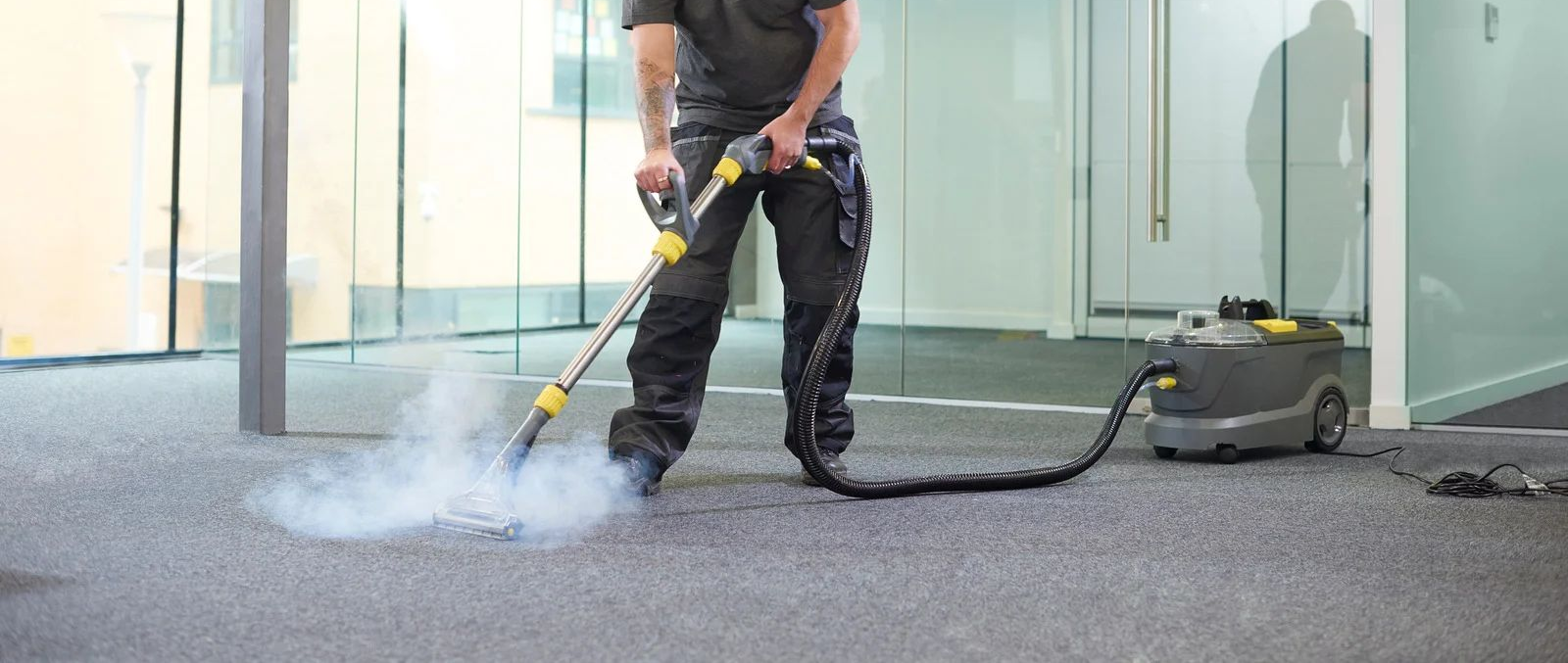
Professional systems use high-pressure extraction and industrial-grade solutions designed to remove embedded dirt without damaging fibers. This extends carpet usability significantly. Controlled moisture application and powerful suction ensure deeper cleaning reaches layers that household machines cannot access, restoring texture and removing contaminants that weaken carpet structure over time in demanding environments and commercial spaces with sustained performance gains.
Stain Prevention and Fabric Protection
Specialized treatments create protective layers on carpet fibers, reducing future staining and making maintenance easier between cleaning cycles. These protective barriers help repel liquids and dirt, slowing absorption and minimizing long-term damage. Regular application supports carpet resilience and preserves appearance, especially in environments exposed to frequent spills and heavy usage throughout daily operations across extended maintenance periods overall.
Extended Carpet Lifespan
Regular professional maintenance slows down wear and tear. Carpets retain texture, color, and structural integrity for longer periods, reducing replacement frequency. Controlled cleaning schedules prevent fiber breakdown and maintain cushioning support, allowing carpets to perform better under continuous use in both residential and commercial environments without losing original quality or visual consistency over extended service lifecycle periods.
Consistent Hygiene Standards
Professional cleaning targets bacteria, allergens, and microscopic particles that DIY methods often miss. This creates a healthier indoor environment, especially in high-traffic spaces. Deep sanitization reduces contamination buildup and supports cleaner air circulation, improving comfort and reducing potential health risks in shared spaces where consistent cleanliness plays an important role in daily well-being across occupied living environments overall.
Cost Efficiency Comparison and Decision Factors
Short-Term Savings vs Long-Term ROI
DIY methods save money upfront, but professional cleaning delivers a stronger return on investment by reducing replacement cycles and repair needs. Long-term financial benefits become clear when comparing repeated DIY purchases with scheduled professional services that preserve carpet quality, minimize damage, and reduce overall maintenance costs across extended usage periods in residential and commercial spaces over time horizon planning.
Residential vs Commercial Scenarios
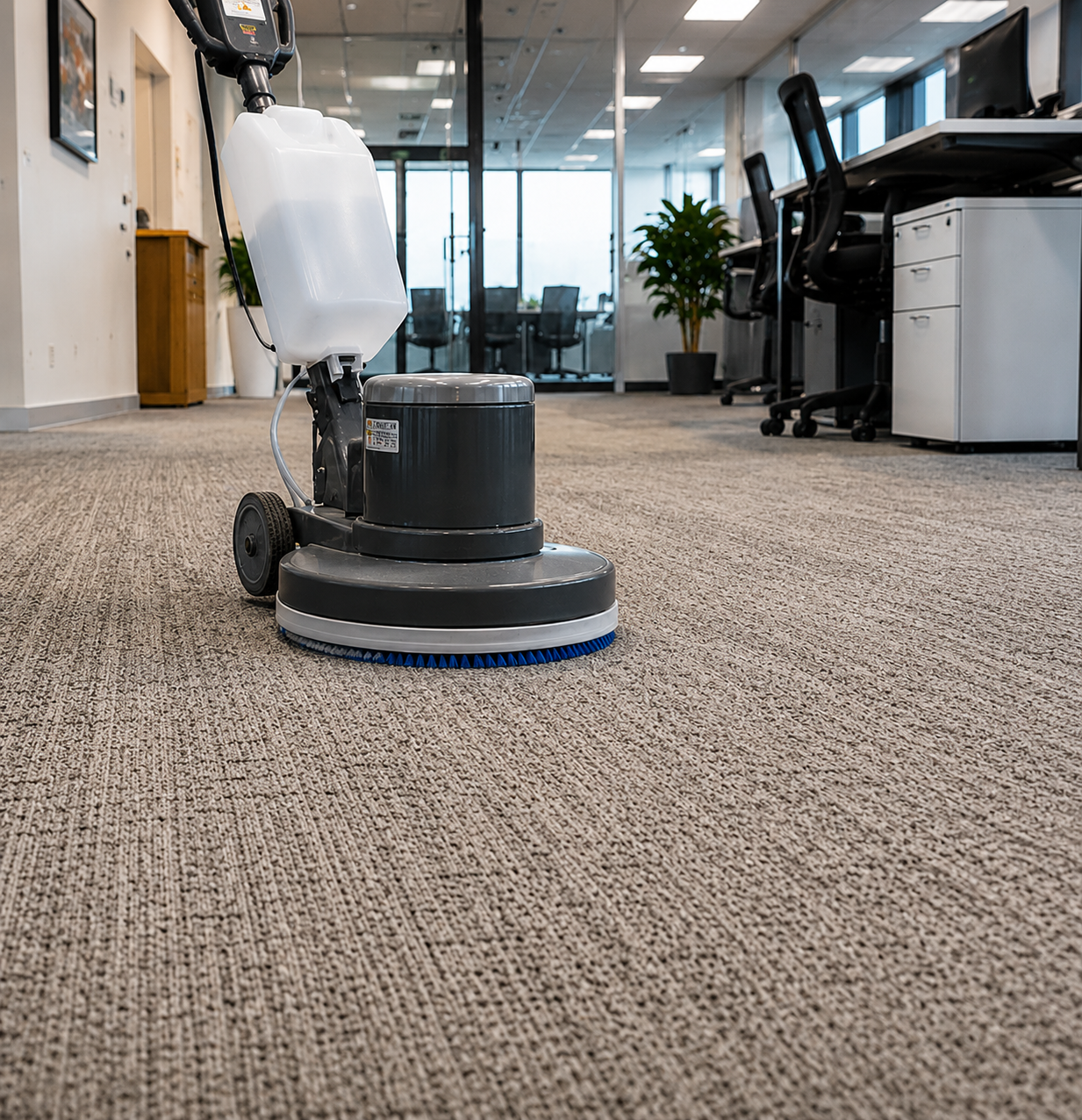
Residential spaces may manage occasional DIY cleaning for small stains, while commercial environments require scheduled professional cleaning to maintain appearance and hygiene standards. High-traffic commercial areas accumulate dirt faster, demanding structured maintenance programs that ensure durability, cleanliness, and consistent presentation across workplaces, offices, and public-facing facilities throughout daily operational activities with ongoing maintenance requirements across settings overall management.
Frequency of Cleaning Requirements
High-traffic areas accumulate dirt faster, making professional intervention more cost-effective over time compared to repeated DIY attempts. Regularly scheduled cleaning prevents deep fiber contamination and reduces long-term wear. Consistent maintenance planning ensures carpets remain in usable condition longer, reducing emergency cleaning needs and unexpected replacement expenses in busy environments with continuous foot traffic through structured service intervals overall.
Equipment Ownership vs Service Investment
Owning cleaning equipment involves maintenance, storage, and repair costs. Professional services eliminate these burdens while delivering consistent results. Equipment depreciation and operational inefficiencies add hidden expenses over time, making ownership less economical for large spaces that require frequent deep cleaning compared to outsourced professional maintenance solutions designed for reliability and cost control across long-term usage requirements and financial efficiency.
Long-Term Budget Planning Perspective
When evaluating carpet care as a long-term asset protection strategy, professional cleaning aligns better with cost stability and asset preservation goals. Structured maintenance reduces unpredictable repair expenses and supports better financial planning. Consistent care strategies ensure carpets maintain quality over extended periods, reducing replacement frequency and improving overall budget predictability in demanding environments across operational planning cycles overall.
Professional Insight Supporting Smarter Carpet Care Decisions
The comparison between professional carpet cleaning and DIY methods ultimately depends on long-term financial impact rather than immediate expense. DIY approaches provide flexibility and short-term savings but often lack the depth required to maintain carpet integrity over time. Professional cleaning introduces advanced techniques that protect fiber structure, improve hygiene, and extend carpet lifespan, reducing overall replacement frequency and hidden maintenance costs. With All-Ways Green Services in Berkley, California, this approach reflects a strong focus on long-term care rather than temporary surface fixes.
From a cost efficiency standpoint, the real value lies in preserving carpet quality rather than repeatedly addressing surface-level issues. Over time, professional intervention reduces cumulative spending, minimizes health risks associated with trapped allergens, and ensures a consistently clean environment suitable for both residential and commercial spaces.
We bring a structured and detail-driven approach to carpet maintenance that prioritizes long-term asset protection over temporary fixes. With 30
years of experience in commercial cleaning service, we understand how cleanliness directly impacts durability, presentation, and operational efficiency. Our methods are designed to maintain fabric integrity while reducing unnecessary replacement cycles. Every cleaning process is built around precision, consistency, and measurable results that support long-term cost savings. Through this approach, we help create cleaner, healthier environments that remain sustainable and cost-efficient for years without compromising quality or performance standards.